
Real Estate Market 2026: Why Poland Is Outpacing Germany
As of March 2026, the situation is clear: while the German real estate market is losing momentum, Poland is experiencing a strong upswing. Germany is struggling with bureaucracy and rising costs that have significantly slowed down new developments. Meanwhile, projects in Poland continue to move forward at full speed. Thomas Podstawski (CEO of Podstawski Group and leader of Activ Investment) explains why investors are increasingly turning to Poland in the latest episode of the Kaffeepause by KONII podcast.
Scale as the Foundation of Credibility
In the real estate development industry, credibility is built through execution, not declarations. The only real foundation of trust is a tangible, high-quality end product.
Podstawski Group enters 2026 with a portfolio of over 7,000 completed residential units in Poland. This is not just a number - it demonstrates the ability to operate effectively within the local system, from administrative processes to construction delivery.
At the same time, the group is expanding its own rental portfolio - currently around 330 units - which serves as a real-world test of profitability and tenant behavior.
From a foreign investor’s perspective, this is critical. Poland is no longer an “early-stage” market. It is an environment that:
- operates within predictable legal frameworks,
- is managed by experienced, operationally efficient players,
- offers margins that are no longer achievable in Germany.
Polish Efficiency vs. German Constraints
One of the most frequently highlighted differences is the cost of project delivery. This is not driven by cheaper materials - these are priced similarly across Europe. The key lies in systemic factors:
- shorter and more predictable administrative procedures,
- lower regulatory burden,
- greater operational flexibility for developers.
The Math of Profit: Speed and Capital Efficiency
In practice, these differences translate into measurable economic outcomes. Projects in Poland are characterized by:
- higher capital turnover due to shorter development cycles,
- lower capital expenditure (CAPEX),
- more attractive net returns.
For Western investors, the conclusion is straightforward: Poland currently offers one of the most favorable risk-to-reward ratios in the region. This is where investment fundamentals still work, while in Germany they are becoming increasingly difficult to justify.
Student Living: A Segment That Could Reshape the Market
While the Build-to-Sell model has long been the backbone of the Polish development sector, the market is maturing and opening up to new investment formats. One of the most promising is Student Housing, which - according to Thomas Podstawski - has the potential to become one of the most attractive real estate segments in Poland.
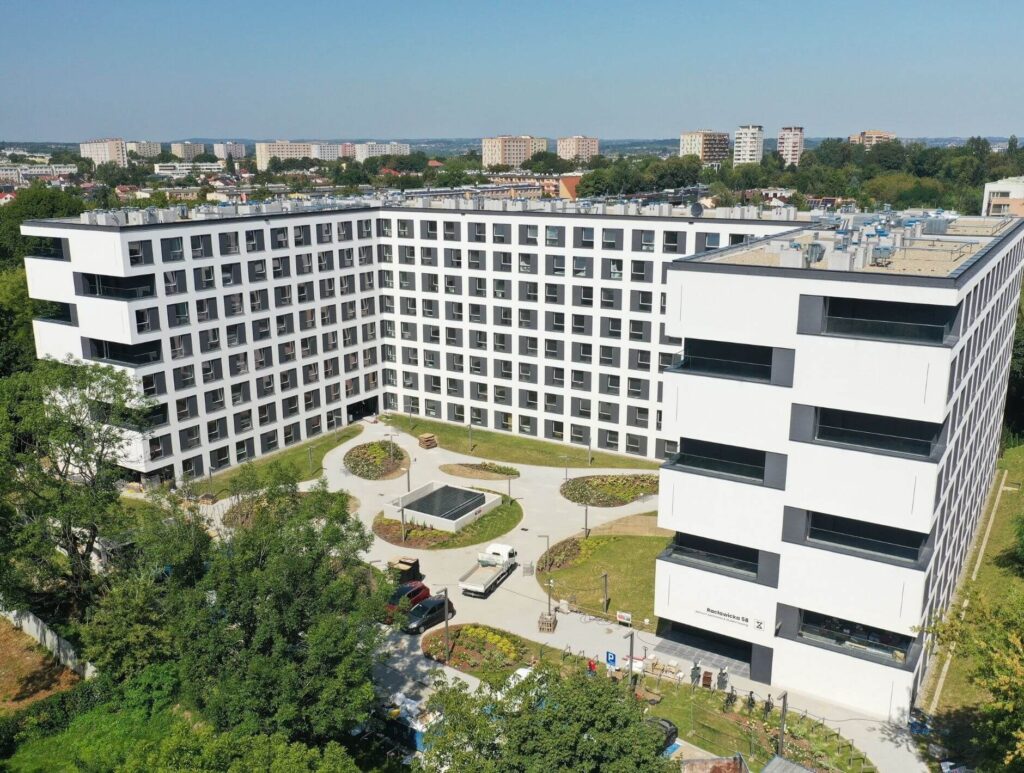
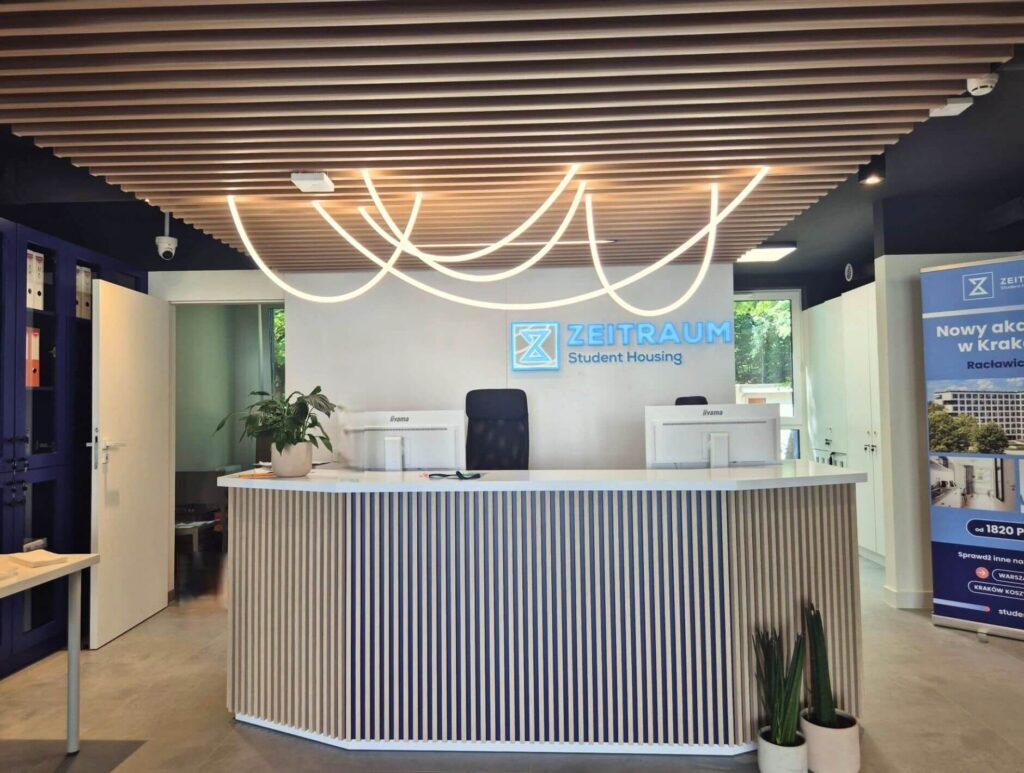
ZEITRAUM Racławicka in Cracow – a modern student residence with an apartment section for rent, developed by Activ Investment for ZEITGEIST Asset Management
This represents not just a shift in product, but a shift in investment logic: from one-off sales toward stable operational income and long-term asset value creation. With growing demand for well-designed, professionally managed student accommodation, this segment addresses a clear market gap. Compared to more mature and often less flexible Western European markets, Poland has the capacity to scale this sector faster and more efficiently.
“In Poland, we are not just looking for volume - we are looking for profitability that has become mathematically impossible in Germany. Student Living is our way of ‘reawakening’ the market and proving that professional asset management can generate returns that are currently out of reach in Berlin.” - Thomas Podstawski
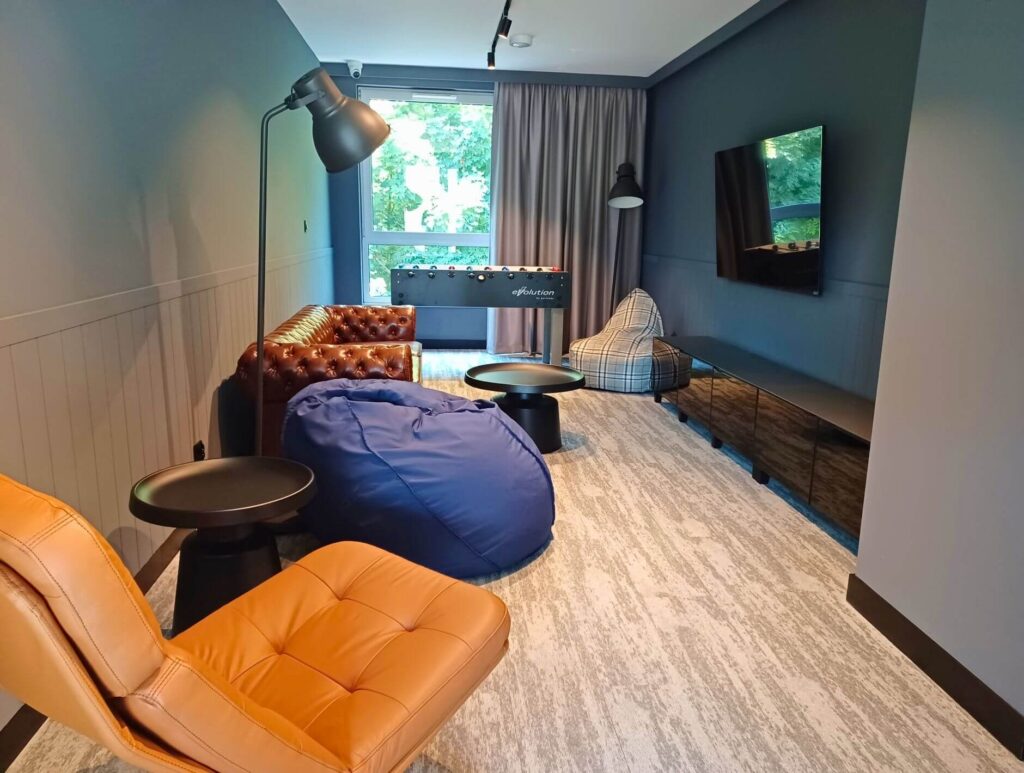
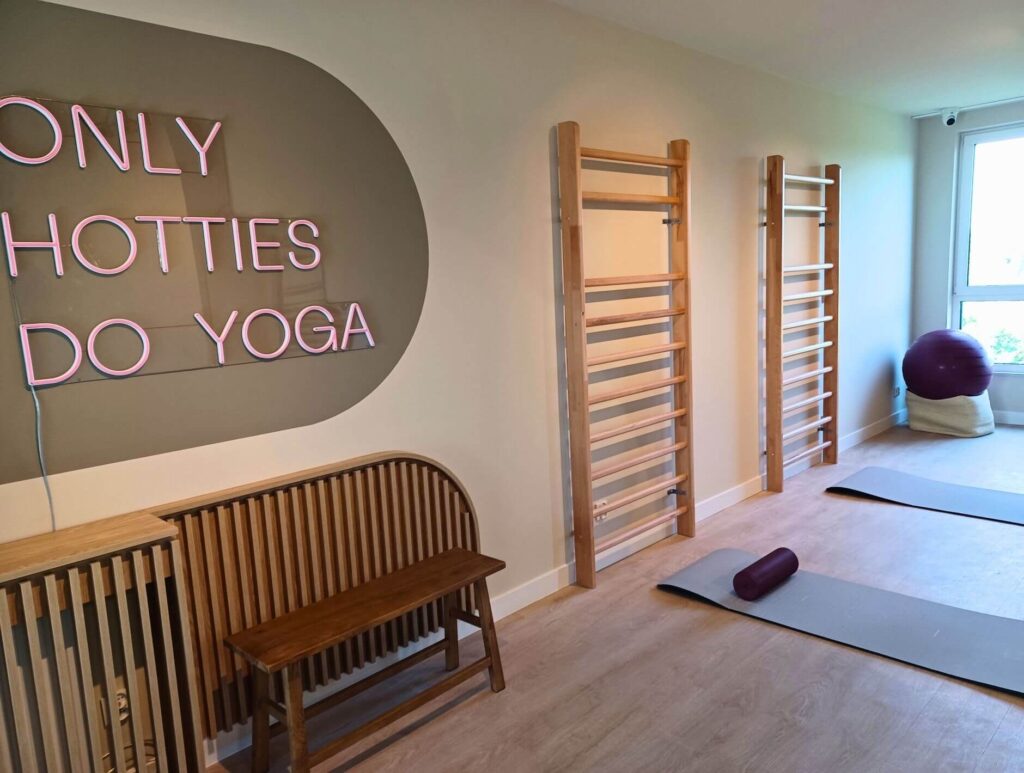
Modern common areas at ZEITRAUM Racławicka in Cracow.
Conclusion: From Alternative to First-Choice Market
Poland is increasingly shifting from being seen as an alternative to becoming a primary destination for residential capital. This is driven by three key factors:
- strong and stable domestic demand,
- a rapidly developing rental sector, including formats such as Student Living,
- higher investment efficiency in terms of both execution speed and return potential.
Against the backdrop of the German market - where investors face cost pressure and limited project viability - Poland remains a market where capital can be deployed more efficiently. For many investors, this is no longer a matter of preference, but a rational business decision.
👇 The full podcast episode is available below (in German):